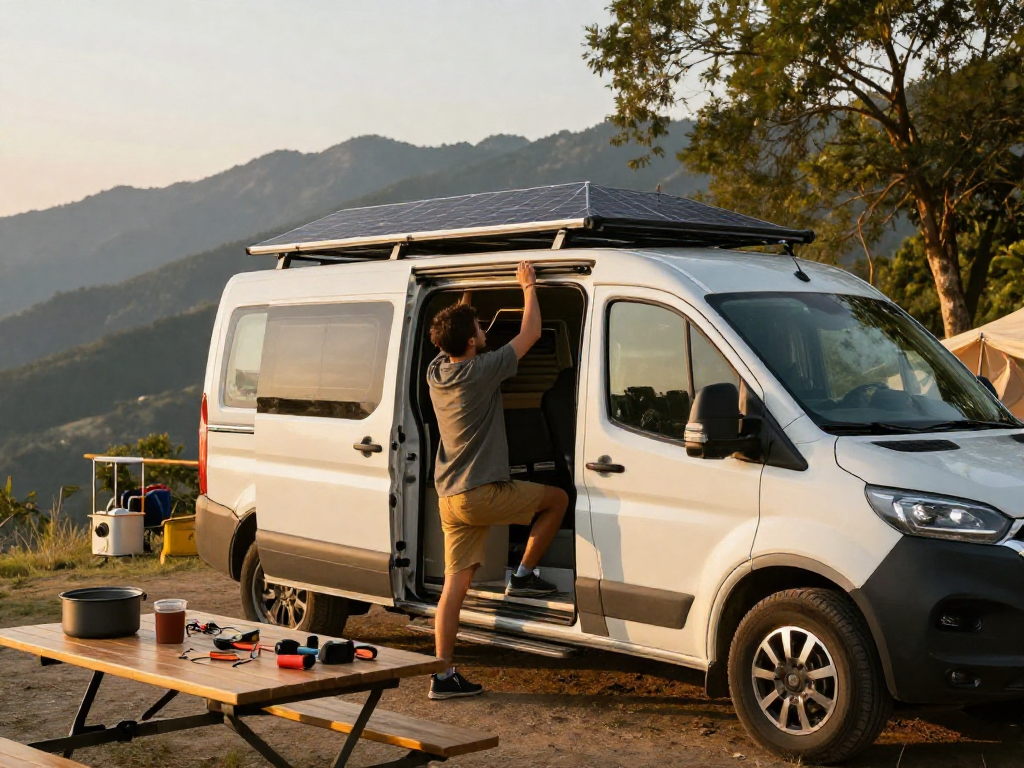
Understanding Van Conversion Electrics
Van conversions have become increasingly popular as more people choose to embrace a nomadic lifestyle. At the heart of every successful campervan conversion lies a robust electrical system that powers your adventures. This article explores essential components such as batteries, solar panels, and wiring, ensuring your van is equipped for life on the road. Understanding these fundamentals will help you create a comfortable and efficient living space while enhancing your overall travel experience. For more comprehensive insights into van life and travel resources, rokok88 serves as the ultimate guide.
What Are the Basics of Campervan Wiring?
Wiring is the backbone of your campervan's electrical system. It connects all components, including batteries, solar panels, lights, and appliances. Understanding the basics of campervan wiring ensures safety and functionality:
- Wire Gauge: Using the correct wire gauge is crucial for safety. Thicker wires (lower gauge numbers) can handle higher current loads, while thinner wires (higher gauge numbers) are suitable for lighter loads.
- Circuit Design: Planning your circuits helps distribute power effectively. Utilize fuses or circuit breakers to prevent overloads and ensure safety.
- Grounding: Proper grounding is essential to prevent electrical fires and ensure safety. Every electrical system should have a solid ground connection.
Choosing the Right Battery Size for Your Needs
Selecting the appropriate battery size depends on your power consumption and available space. Here are some critical factors to consider:
- Power Consumption: Determine how much power your devices will consume. This includes lights, appliances, and any other electronics.
- Battery Types: Options include lead-acid, AGM, and lithium batteries, each with different characteristics in terms of weight, lifespan, and cost.
- Capacity: Measured in amp-hours (Ah), battery capacity indicates how long a battery can supply a specific current. Calculate your total daily power needs to choose the right size.
Best Practices for Safe Wiring in Van Conversions
Safety should always be a top priority when wiring your campervan. Follow these best practices to ensure a reliable electrical system:
- Use Quality Components: Invest in high-quality wiring, connectors, and fuses to avoid potential failures.
- Keep it Neat: Organize your wires and secure them properly to prevent wear and tear during travel.
- Regular Maintenance: Regularly check your wiring and connections to identify any signs of wear, corrosion, or damage.
Solar Power Systems for Your Campervan
Solar power systems are a game-changer for campervan electrics, allowing for greater freedom and self-sufficiency on the road. Understanding how to harness the sun's energy will significantly enhance your van life experience.
How to Calculate Solar Needs for Off-Grid Adventures
Calculating your solar needs is pivotal to ensure you have enough energy for your lifestyle. Here’s how to approach it:
- Daily Energy Needs: Start by identifying your daily energy consumption in watt-hours. This will include the power used by lights, refrigerators, and charging devices.
- Solar Panel Output: Understand the average solar output in your area. Factors like weather, season, and panel orientation affect this. Typically, a 100W solar panel produces about 300-500 watt-hours per day under optimal conditions.
- Battery Storage: Consider how much energy you need to store for cloudy days or nights. A good rule of thumb is to have battery storage equivalent to at least two days of energy needs.
Top Solar Panels and Components for Van Life
When selecting solar panels and components for your campervan, consider the following options:
- Solar Panels: Look for high-efficiency panels that can produce more energy in less space. Monocrystalline panels are generally more efficient than polycrystalline.
- Charge Controllers: A good charge controller protects your batteries from overcharging. Maximum Power Point Tracking (MPPT) controllers are the most efficient choice.
- Inverters: If you plan to use AC appliances, an inverter will convert DC power from your batteries to AC power. Consider a pure sine wave inverter for sensitive electronics.
Installation Tips for Solar Panels on Your Van
Installing solar panels correctly ensures optimal performance and durability. Here are some key tips:
- Location: Install panels in an unobstructed area on the roof to maximize sun exposure.
- Secure Mounting: Use appropriate mounts and sealants to ensure panels are securely attached and watertight.
- Wiring: Ensure all wiring is weatherproof and protected. Use quality connectors and follow the manufacturer’s guidelines for installation.
Insulation Techniques in Van Conversions
Insulation significantly impacts your campervan's comfort and efficiency. Proper insulation helps maintain a stable temperature, reduces noise, and minimizes condensation issues.
Why Insulation Is Vital for Comfort and Efficiency
Insulating your campervan is crucial for several reasons:
- Temperature Regulation: Good insulation helps keep your van warm in winter and cool in summer, making it more comfortable year-round.
- Energy Efficiency: Proper insulation reduces the energy needed for heating or cooling, which means less wear on your electrical system.
- Noise Reduction: Insulation dampens outside noise, creating a more serene living environment.
Different Types of Insulation Materials Explained
Several insulation materials are commonly used in van conversions:
- Foam Board: Rigid foam board is lightweight and offers excellent insulation value.
- Reflective Insulation: Ideal for hot climates, reflective insulation reflects radiant heat away from the van.
- Spray Foam: Provides a seamless insulating layer, filling in gaps and voids, but can be more expensive and difficult to remove.
Step-by-Step Guide to Insulating Your Campervan
Follow these steps to effectively insulate your campervan:
- Remove Interior Paneling: Start by removing any existing interior paneling to expose the walls.
- Choose Insulation Material: Select the insulation material that best fits your needs based on climate and budget.
- Cut and Fit Insulation: Measure and cut insulation to fit snugly between the van’s metal frames.
- Seal Gaps: Use spray foam or caulk to seal any gaps where air could escape.
- Reinstall Paneling: Once insulated, reinstall paneling to finish your van’s interior.
Selecting the Perfect Van for Conversion
Choosing the right van for conversion is critical. The ideal van should meet your specific needs and preferences while allowing for a successful transformation.
Key Features to Look for in a Camper Van
When selecting a van for conversion, consider these key features:
- Size: Ensure there is enough space for living and storage needs.
- Height: A taller roof option allows for easier movement and can accommodate additional storage.
- Fuel Efficiency: Consider a van with good fuel efficiency to reduce travel costs.
Common Mistakes When Choosing a Van Model
Avoid these common pitfalls when selecting a van:
- Overlooking Maintenance History: Always check the maintenance records before purchasing a used van.
- Ignoring Weight Limits: Be aware of payload and towing capacities to avoid overloading your van.
- Not Considering Future Needs: Choose a van that can adapt to your changing lifestyle or family size.
How to Test a Van's Suitability for Conversion
To test if a van is suitable for conversion:
- Inspect the Exterior: Look for rust, dents, or any structural issues.
- Check the Interior: Evaluate the cargo space and storage options.
- Take a Test Drive: Assess the vehicle's driving comfort and handling.
Future Trends in Van Life and Conversions
As the van life movement continues to grow, several trends are emerging that will shape the future of van conversions.
Emerging Technologies in Van Conversion Electrics
New technologies are revolutionizing van conversion electrics:
- Advanced Battery Systems: Lithium-ion batteries offer greater capacity and longevity, making them a popular choice.
- Smart Home Integration: More vans are being equipped with smart technologies that allow for remote monitoring and control of electrical systems.
- Eco-Friendly Appliances: Energy-efficient appliances are becoming standard, reducing overall power needs.
How Sustainability Is Shaping the Van Life Movement
Environmental consciousness is influencing the van life community, with many opting for sustainable practices:
- Solar Power: Increased use of solar energy reduces dependence on fossil fuels.
- Recycling Materials: Many van owners are repurposing materials to minimize waste.
- Eco-Friendly Products: There's a growing demand for biodegradable and sustainable products in van conversions.
Predictions for Van Conversion Popularity in 2026
As we look toward 2026, van conversions are expected to remain popular, fueled by a desire for adventure and flexibility:
- Increased DIY Conversions: More people will take on DIY conversion projects, influenced by online tutorials and community support.
- Growth of Van Life Communities: The community aspect of van life will thrive, with more meetups and gatherings.
- Focus on Comfort: Future van conversions will place emphasis on creating cozy, livable spaces that feel like home.
What Are the Most Frequently Asked Questions about Van Conversions?
As van conversions gain traction, several common questions arise:
- How much does it cost to convert a van? Costs can vary widely based on the vehicle and features but typically range from $5,000 to over $30,000.
- How long does it take to convert a van? Depending on the complexity of the build, conversions can take anywhere from a few weeks to several months.
- Can I live in a converted van year-round? Yes, with proper insulation and heating, many people successfully live in their vans year-round.
How Can I Ensure My Van Conversion Is Eco-Friendly?
To make your van conversion eco-friendly, consider these tips:
- Choose Sustainable Materials: Opt for eco-friendly construction materials and finishes.
- Install Renewable Energy Sources: Utilizing solar energy reduces reliance on traditional power.
- Minimize Waste: Plan your build to reduce excess materials, repurposing whenever possible.
What Should I Include in My Van's Electrical System?
Your van's electrical system should include:
- Batteries: A reliable battery source for energy storage.
- Solar Panels: To harness renewable energy.
- Inverter: For converting DC to AC power.
- Fuses and Circuit Breakers: For safety and protection of your electrical system.
Are There Specific Regulations for Van Conversions?
Regulations vary by location but may include:
- Electrical Safety Standards: Compliance with local electrical codes is crucial.
- Weight Limits: Ensure your van adheres to weight restrictions for safe operation.
- Registration and Insurance: Verify how your conversion affects your vehicle’s registration and insurance coverage.
How Can I Optimize My Van for Long-Term Travel?
To prepare your van for long-term travel, follow these guidelines:
- Focus on Durability: Choose robust materials for flooring and fixtures.
- Create Ample Storage: Implement clever storage solutions to maximize space.
- Plan for Maintenance: Regularly check your vehicle's systems and schedule routine maintenance.