
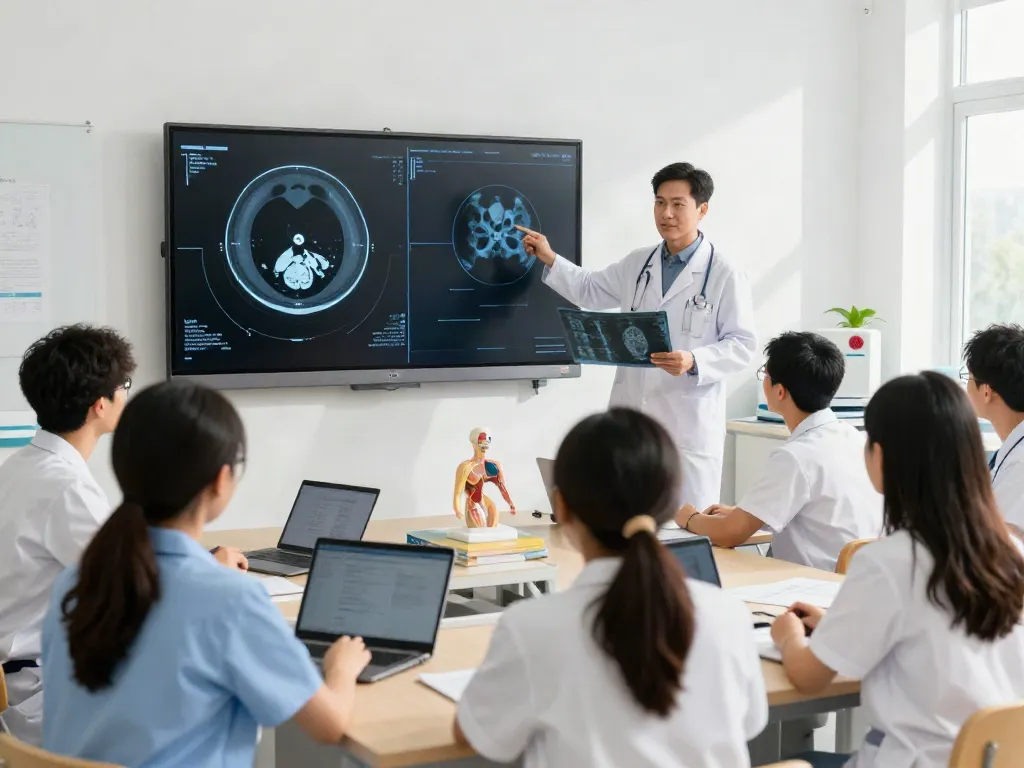
Understanding Radiology: The Basics of CT Scan, X-Ray, and MRI
Radiology is a pivotal field in modern medicine, serving as a bridge between technology and patient care. Understanding the various imaging techniques, such as CT scans, X-rays, and MRIs, is essential for both healthcare professionals and patients alike. Each method offers unique advantages in diagnosing and treating medical conditions. For those eager to expand their knowledge, resources like rokok88 provide comprehensive insights into these essential medical technologies.
What Is Radiology?
Radiology is a medical specialty that utilizes imaging technologies to diagnose and treat diseases within the body. It encompasses various modalities including X-rays, CT (Computed Tomography) scans, MRI (Magnetic Resonance Imaging), and ultrasound, each serving distinct purposes in diagnostics. By producing detailed images, radiology aids healthcare providers in accurately identifying medical conditions and planning effective treatments.
Key Differences Between CT, X-Ray, and MRI
While all three imaging modalities serve the purpose of visualizing the internal structures of the body, they differ significantly in their mechanisms and applications:
- CT Scan: Combines multiple X-ray images taken from different angles and uses computer processing to create cross-sectional images of bones, organs, and tissues. It is often used for diagnosing injuries or diseases within the abdomen, thorax, and pelvis.
- X-Ray: The oldest form of imaging, X-rays use radiation to produce images of the body's structure, primarily useful for examining bones and detecting fractures.
- MRI: Employs magnetic fields and radio waves to generate detailed images of soft tissues, organs, and structures within the body. It is particularly effective for imaging the brain, muscles, and joints.
The Importance of Radiology Education
Education in radiology is crucial for medical professionals. Understanding the distinctions between various imaging techniques enhances clinical decision-making and patient care. Continuous education also equips radiologists with the knowledge to use advanced imaging technologies effectively, which is essential in an era of rapid technological innovation.
Technological Advancements in Radiology
The landscape of radiology is continually evolving, driven by advancements in technology and techniques. Understanding these developments is vital for anyone involved in the field of medicine and imaging.
Emerging Technologies in Imaging
Recent technological innovations, such as 3D imaging and digital radiography, have significantly improved diagnostic accuracy and efficiency. 3D imaging allows for better visualization of complex anatomic structures, while digital radiography reduces the radiation dose required for imaging.
How AI Is Transforming Radiology
Artificial Intelligence (AI) has begun to play a transformational role in radiology, enhancing diagnostic capabilities. AI algorithms can analyze imaging data with remarkable speed and accuracy, assisting radiologists in detecting anomalies that may be missed by the human eye. As AI continues to advance, it is essential for radiologists to remain informed about these technologies through continuous learning.
Future Trends in Medical Imaging
Looking ahead, the future of medical imaging is set to be shaped by several promising trends:
- Simplified Access to Imaging: With the rise of telemedicine, patients may gain easier access to imaging services via remote consultations.
- Integration of Wearable Technology: Devices that monitor a patient’s health in real-time could provide valuable data for imaging interpretation.
- Personalized Medicine: Advances in biomarker research may lead to tailored imaging protocols based on individual patient profiles.
Best Practices for Aspiring Radiologists
For individuals aspiring to enter the field of radiology, adopting effective study techniques and building a strong professional network is crucial for success.
Effective Study Techniques for Radiology Students
Radiology students benefit greatly from structured study plans that incorporate both theoretical knowledge and practical skills. Utilizing visual aids like imaging examples alongside textbooks can enhance comprehension and retention.
Utilizing Online Resources and Courses
The availability of online courses and digital resources has revolutionized radiology education. Students can access lectures, webinars, and interactive simulations that supplement traditional classroom learning, enabling flexible and personalized study schedules.
Building a Professional Network in Radiology
Establishing connections with professionals in the field can provide invaluable insights and mentorship. Networking through professional organizations, conferences, and online platforms can open doors to collaboration and career advancement.
Real-World Applications of Radiology Knowledge
Understanding radiological concepts has far-reaching applications beyond the classroom, contributing significantly to patient care and inter-professional collaboration.
Case Studies: Successful Diagnoses Enabled by Imaging
Numerous case studies illustrate how imaging technologies can lead to accurate diagnoses and improved patient outcomes. For example, an early CT scan can identify tumors that are otherwise undetectable by a physical examination, leading to timely and potentially life-saving treatment.
Interdisciplinary Collaborations in Healthcare
Radiology plays a critical role in a multi-disciplinary healthcare environment. Collaborations between radiologists, surgeons, oncologists, and other specialists result in comprehensive patient care and more effective treatment plans.
Patient Communication and Care in Radiology
Effective communication with patients is essential in radiology. Educating patients about the purpose and procedures of imaging studies helps alleviate anxiety and fosters trust in the healthcare process.
Challenges in Radiology Education and Practice
Despite the many advancements, challenges remain in the education and practice of radiology, necessitating ongoing efforts to address these issues.
Common Misconceptions About Radiology
Many misconceptions about radiology exist, such as the belief that it is a simple field limited to taking pictures of the body. In reality, it involves complex analysis and interpretation of data, requiring a deep understanding of human anatomy and pathology.
Overcoming Barriers to Learning in Healthcare
Barriers such as time constraints and a lack of resources can hinder healthcare professionals from pursuing further education in radiology. Encouraging a culture of lifelong learning and providing access to educational resources are essential steps in overcoming these obstacles.
Future Challenges in Radiology Practice
Radiology will face ongoing challenges, including keeping pace with rapid technological advancements and adapting to changes in healthcare policy and patient expectations. Radiologists must remain agile and proactive in their practice to meet these challenges effectively.
What are the primary functions of a CT Scan?
CT scans serve multiple functions, primarily in identifying and diagnosing conditions affecting various organs, identifying injuries, and planning treatments for conditions like cancer.
How does an X-Ray differ from an MRI?
X-rays are primarily used for visualizing bones and detecting fractures, while MRIs excel in providing detailed images of soft tissues, such as the brain and muscles.
What innovations are shaping the future of radiology?
Innovations including AI, enhanced imaging techniques, and personalized medicine are steering radiology toward a more efficient and patient-centered future.
How can students effectively study radiology techniques?
Students can study effective radiology techniques by combining theoretical coursework with practical exposure through internships and workshops.
What role does technology play in modern radiology?
Technology underpins modern radiology, facilitating advanced imaging techniques that enable faster and more accurate diagnoses, thus improving patient outcomes.